AQA 2017 Biology 7402/3
34 questions78 marks120Updated December 2025
The AQA 2017 Biology 7402/3 paper in full: all 34 questions, each with its answer. AQA is the AQA. Sit it cold under exam timing, mark it, then work back through anything you missed using the solutions below.
Download the original PDF →Questions and answers are free. Full step-by-step worked solutions unlock with a free account. Start practising.
Question
3 marksWhen a nerve impulse arrives at a synapse, it causes the release of
neurotransmitter from vesicles in the presynaptic knob.
Describe how.
neurotransmitter from vesicles in the presynaptic knob.
Describe how.
Question
2 marksThe presynaptic knob contains actin filaments and myosin molecules.
The myosin molecules can attach to mitochondria and move them towards the
presynaptic membrane, as shown in Figure 1.
Figure 1
Myosin molecule
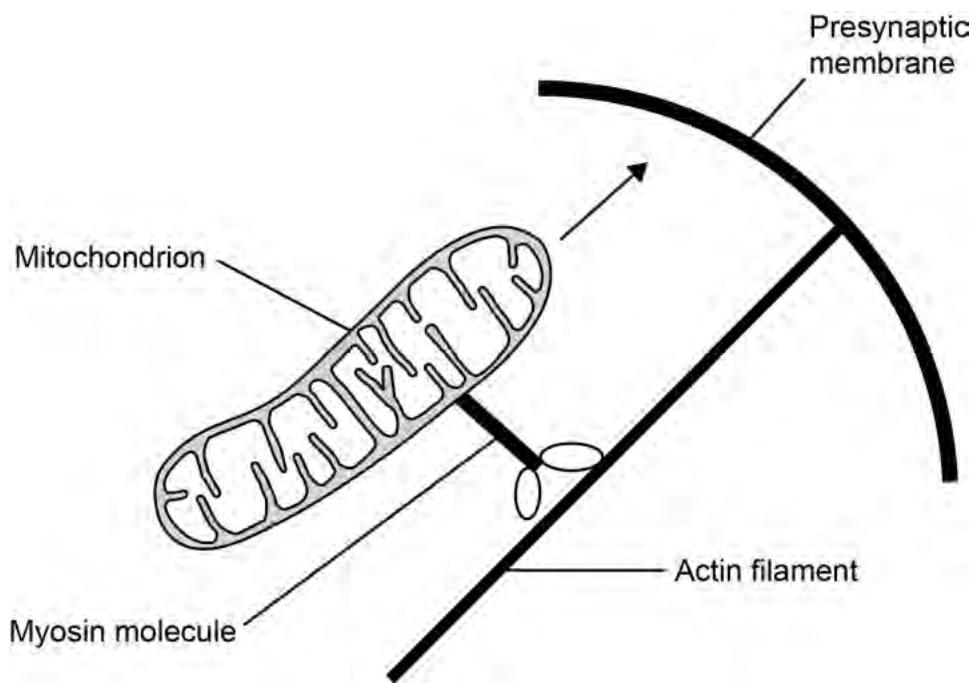
Use your knowledge of how myosin and actin interact to suggest how the myosin
molecule moves the mitochondrion towards the presynaptic membrane.
Do not include the roles of calcium ions and tropomyosin in your answer.
The myosin molecules can attach to mitochondria and move them towards the
presynaptic membrane, as shown in Figure 1.
Figure 1
Myosin molecule
Use your knowledge of how myosin and actin interact to suggest how the myosin
molecule moves the mitochondrion towards the presynaptic membrane.
Do not include the roles of calcium ions and tropomyosin in your answer.
Question
2 marksThis movement of mitochondria happens when nerve impulses arrive at the
synapse.
Suggest and explain one advantage of the movement of mitochondria towards the
presynaptic membrane when nerve impulses arrive at the synapse.
synapse.
Suggest and explain one advantage of the movement of mitochondria towards the
presynaptic membrane when nerve impulses arrive at the synapse.
Question
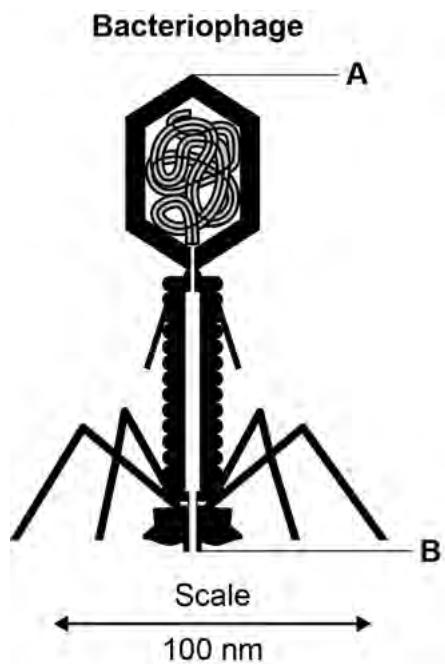
1 markBacteriophages are viruses that kill bacteria.
Figure 2 shows drawings of a bacteriophage and a bacterium.
Figure 2
Bacteriophage
Bacterium
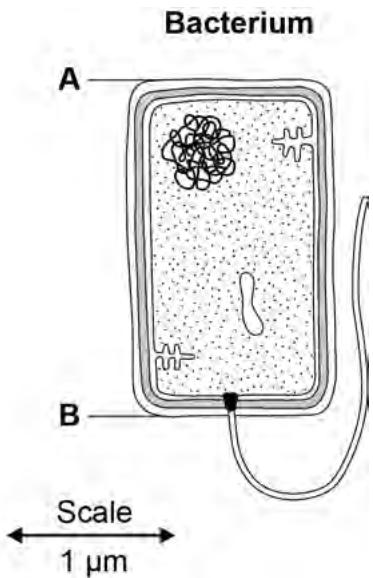
Using Figure 2 and your own knowledge, put a tick (✔) in the box next to the only
correct statement about the structures of the bacteriophage and the bacterium.
Figure 2 shows drawings of a bacteriophage and a bacterium.
Figure 2
Bacteriophage
Bacterium
Using Figure 2 and your own knowledge, put a tick (✔) in the box next to the only
correct statement about the structures of the bacteriophage and the bacterium.
- A.Both have ribosomes.
- B.Both have a cell-surface membrane.
- C.The bacteriophage has a capsid and the bacterium has a cell-surface membrane.
- D.The bacteriophage has a cell wall and the bacterium has a capsid.
Question
2 marksUsing the scales in Figure 2, calculate how many times longer the bacterium is
than the bacteriophage.
Use the distance between the points labelled A and B on each drawing in your
calculations. Show your working.
than the bacteriophage.
Use the distance between the points labelled A and B on each drawing in your
calculations. Show your working.
Question
1 markScientists investigated the use of bacteriophages to treat lung infections caused by
bacteria. They infected the lungs of mice with a pathogenic species of bacterium.
The mice were then divided into two groups, A and B.
• The mice in group A were not treated with bacteriophage.
• The mice in group B were treated by breathing in a spray containing
bacteriophage particles.
After 3 days, the scientists killed the mice and removed their lungs. They washed
out each set of lungs with a set volume of liquid. The scientists determined the
number of live bacteria in the liquid.
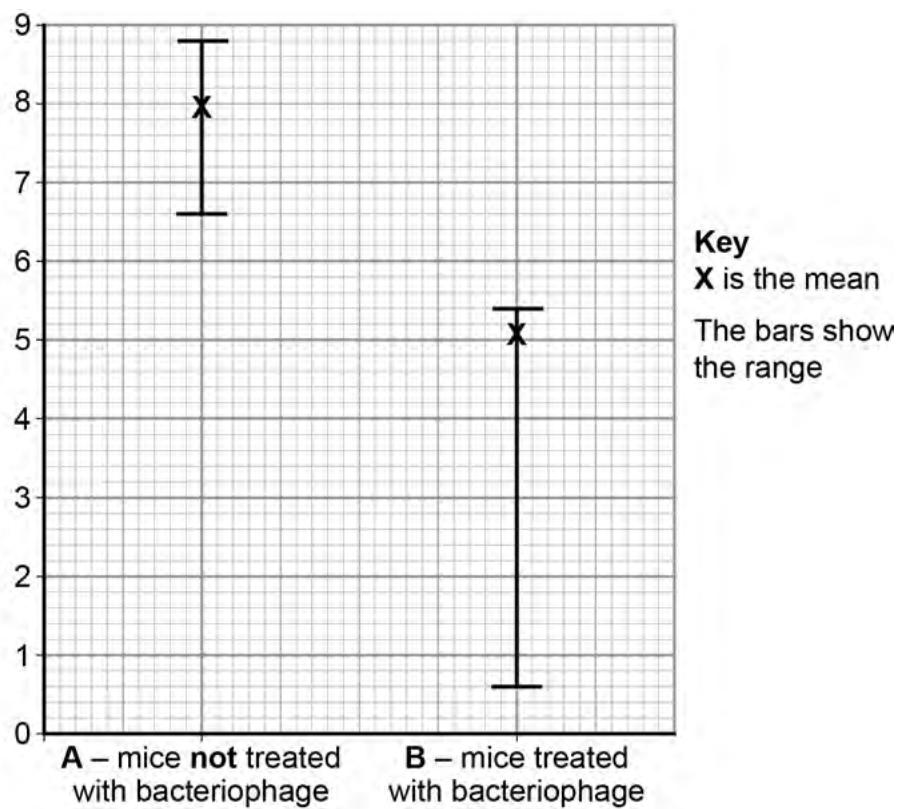
Figure 3 shows the scientists' results. Figure 3 shows the mean and the range of
the data about the mean for each group. Standard deviations of the means are not
shown.
Figure 3
What would the scientists' null hypothesis be for this investigation?
bacteria. They infected the lungs of mice with a pathogenic species of bacterium.
The mice were then divided into two groups, A and B.
• The mice in group A were not treated with bacteriophage.
• The mice in group B were treated by breathing in a spray containing
bacteriophage particles.
After 3 days, the scientists killed the mice and removed their lungs. They washed
out each set of lungs with a set volume of liquid. The scientists determined the
number of live bacteria in the liquid.
Figure 3 shows the scientists' results. Figure 3 shows the mean and the range of
the data about the mean for each group. Standard deviations of the means are not
shown.
Figure 3
What would the scientists' null hypothesis be for this investigation?
Question
2 marksWith some samples, the scientists decided they needed to carry out a series of
dilutions of the sample before counting the bacteria.
Use evidence from Figure 3 to explain why dilutions were necessary for some
samples but not for others.
dilutions of the sample before counting the bacteria.
Use evidence from Figure 3 to explain why dilutions were necessary for some
samples but not for others.
Question
3 marksUsing only Figure 3, what can you conclude from these data about the
effectiveness of the bacteriophage in treating this lung infection in mice?
Do not consider statistical analyses in your answer.
effectiveness of the bacteriophage in treating this lung infection in mice?
Do not consider statistical analyses in your answer.
Question
2 marksArtificial fertiliser is used to replace mineral ions removed from the land when crops
are harvested. One of the mineral ions is nitrate.
Give two examples of biological molecules containing nitrogen that would be
removed when a crop is harvested.
1
2
are harvested. One of the mineral ions is nitrate.
Give two examples of biological molecules containing nitrogen that would be
removed when a crop is harvested.
1
2
Question
2 marksScientists investigated changes in the use of artificial fertiliser in India between
1970 and 2005. They also investigated changes in the fertiliser response ratio.
This ratio shows how many kg of grain are produced for each kg of fertiliser used.
Figure 4 shows their results in the form the scientists presented them.
(A hectare is a unit of area commonly used in agriculture)
Figure 4
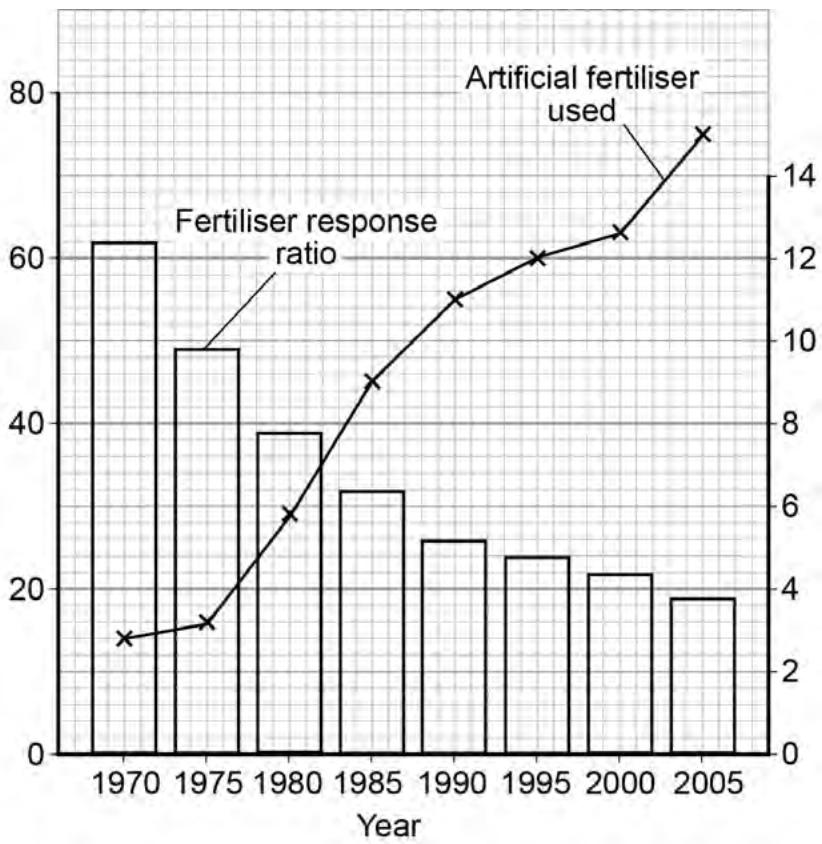
Use these data to calculate the difference in the mass of grain produced per
hectare in 1970 compared with 2005.
Show your working.
1970 and 2005. They also investigated changes in the fertiliser response ratio.
This ratio shows how many kg of grain are produced for each kg of fertiliser used.
Figure 4 shows their results in the form the scientists presented them.
(A hectare is a unit of area commonly used in agriculture)
Figure 4
Use these data to calculate the difference in the mass of grain produced per
hectare in 1970 compared with 2005.
Show your working.
Question
2 marksUse the data in Figure 4 to evaluate the use of artificial fertilisers on
grain-producing crops in India.
grain-producing crops in India.
Question
2 marksTable 1 shows plant species recorded at one site, on one island, in 1975.
Table 1
Species
Number of individuals
Hydrocotyle vulgaris
3
Plantago maritima
19
Ranunculus acris
3
Hieracium pilosella
3
Calliergon cuspidatum
10
Prunella vulgaris
16
Pseudoscleropodium purum
6
Calculate the index of diversity for this site using the formula:
Table 1
Species
Number of individuals
Hydrocotyle vulgaris
3
Plantago maritima
19
Ranunculus acris
3
Hieracium pilosella
3
Calliergon cuspidatum
10
Prunella vulgaris
16
Pseudoscleropodium purum
6
Calculate the index of diversity for this site using the formula:
Question
3 marksOutline a method the ecologists could have used to determine the plant species
richness at one site.
richness at one site.
Question
3 marksSome of the ecologists' results are shown in Table 2. They carried out a statistical
test to find out whether any differences between the 1975 and 2010 means were
significant. The values for P that they obtained are also shown in Table 2.
Table 2
Island
Change in
mean species
richness
between 1975
and 2010
Value of P
Change in
mean index of
diversity
between 1975
and 2010
Value of P
Islay
+8.89
+0.22
0.05
Colonsay
+14.70
+2.68
Harris
-5.13
-2.44
Do these data show that there were any significant changes in the grassland
communities on these islands? Give reasons for your answer.
Question
2 marksName two enzymes involved in the semi-conservative replication of DNA.
1
2
1
2
Question
2 marksSometimes, damage occurs during DNA replication. One enzyme involved in
repairing damage to DNA is called ATR.
ATR works as follows.
• ATR phosphorylates other enzymes involved in repairing DNA.
• ATR also phosphorylates substrates required to repair DNA.
When ATR phosphorylates other enzymes, these enzymes become able to bind to
their substrates.
Use your knowledge of enzyme structure to suggest why.
Question
1 markThe enzyme-catalysed reactions activated by ATR only occur if the substrates
have been phosphorylated.
Use your knowledge of energy changes in enzyme-catalysed reactions to suggest
why.
have been phosphorylated.
Use your knowledge of energy changes in enzyme-catalysed reactions to suggest
why.
Question
3 marksSometimes, a mutagenic agent causes DNA to break. A different enzyme called
ATM binds to the broken DNA. This leads to the activation of a protein coded for by
a tumour suppressor gene. The effect of ATM binding is to stop cell division until
DNA is repaired.
A mutation could result in a person having non-functional forms of the gene that
produces ATM.
What can you predict about the possible effects of having a non-functional form of
ATM?
Question
2 marksA student used a potometer to measure the movement of water through the shoot
of a plant. The potometer is shown in Figure 5. As water is lost from the shoot, it
is replaced by water from the capillary tube.
Figure 5
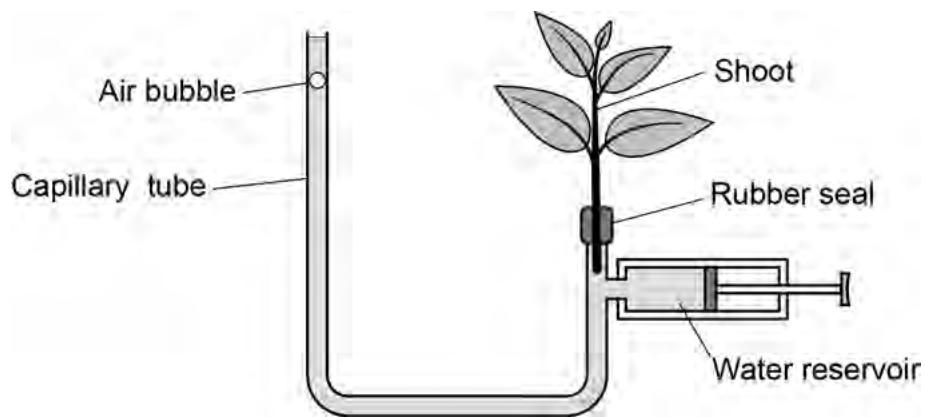
In one experiment, the air bubble moved 7.5 mm in 15 minutes. The diameter of
the capillary tube was 1.0 mm.
Calculate the rate of water uptake by the shoot in this experiment.
Give your answer in mm³ per hour. Show your working.
(The area of a circle is found using the formula, area = )
of a plant. The potometer is shown in Figure 5. As water is lost from the shoot, it
is replaced by water from the capillary tube.
Figure 5
In one experiment, the air bubble moved 7.5 mm in 15 minutes. The diameter of
the capillary tube was 1.0 mm.
Calculate the rate of water uptake by the shoot in this experiment.
Give your answer in mm³ per hour. Show your working.
(The area of a circle is found using the formula, area = )
Question
3 marksThe student wanted to determine the rate of water loss per mm² of surface area of
the leaves of the shoot in Figure 5.
Outline a method she could have used to find this rate. You should assume that all
water loss from the shoot is from the leaves.
the leaves of the shoot in Figure 5.
Outline a method she could have used to find this rate. You should assume that all
water loss from the shoot is from the leaves.
Question
1 markThe rate of water movement through a shoot in a potometer may not be the same
as the rate of water movement through the shoot of a whole plant.
Suggest one reason why.
as the rate of water movement through the shoot of a whole plant.
Suggest one reason why.
Question
2 marksAquaporins are channel proteins that allow the diffusion of water across
membranes. One type of aquaporin, called PIP1, can also transport carbon
dioxide molecules across membranes.
Figure 6 shows the structure of a water molecule and of a carbon dioxide
molecule. They are drawn to the same scale.
Figure 6
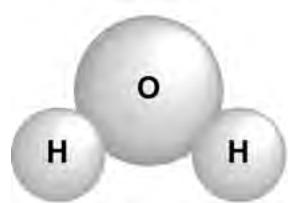
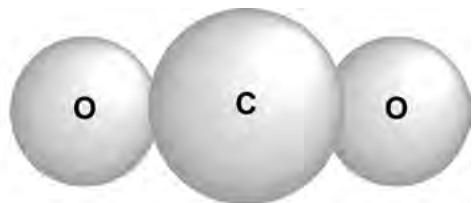
Suggest two reasons why water molecules and carbon dioxide molecules can both
pass through PIP1.
1
2
membranes. One type of aquaporin, called PIP1, can also transport carbon
dioxide molecules across membranes.
Figure 6 shows the structure of a water molecule and of a carbon dioxide
molecule. They are drawn to the same scale.
Figure 6
Suggest two reasons why water molecules and carbon dioxide molecules can both
pass through PIP1.
1
2
Question
3 marksThe scientists first produced transgenic poplar trees. These trees all had a length
of foreign DNA inserted into them. This DNA led to the production of single-
stranded RNA that specifically inhibited expression of the gene for PIP1.
The scientists then measured the difference in the amount of PIP1 in leaves of
transgenic poplars and in leaves of wild type poplars without the foreign DNA. The
amount of PIP1 in the transgenic poplars was approximately 15% of that in the wild
type poplars.
Using this information, what can you conclude about the effect of the foreign DNA in
the transgenic poplar trees?
Question
1 markThe transgenic poplars still produced some PIP1.
Suggest why.
Suggest why.
Question
3 marksThe scientists investigated the importance of PIP1 in the movement of water and
carbon dioxide through the tissues of leaves of poplar trees.
They measured the mean rates of movement of carbon dioxide and water through
the tissues of leaves of transgenic poplars and through the tissues of leaves of wild
type poplars.
Their results are shown in Figure 7.
Figure 7
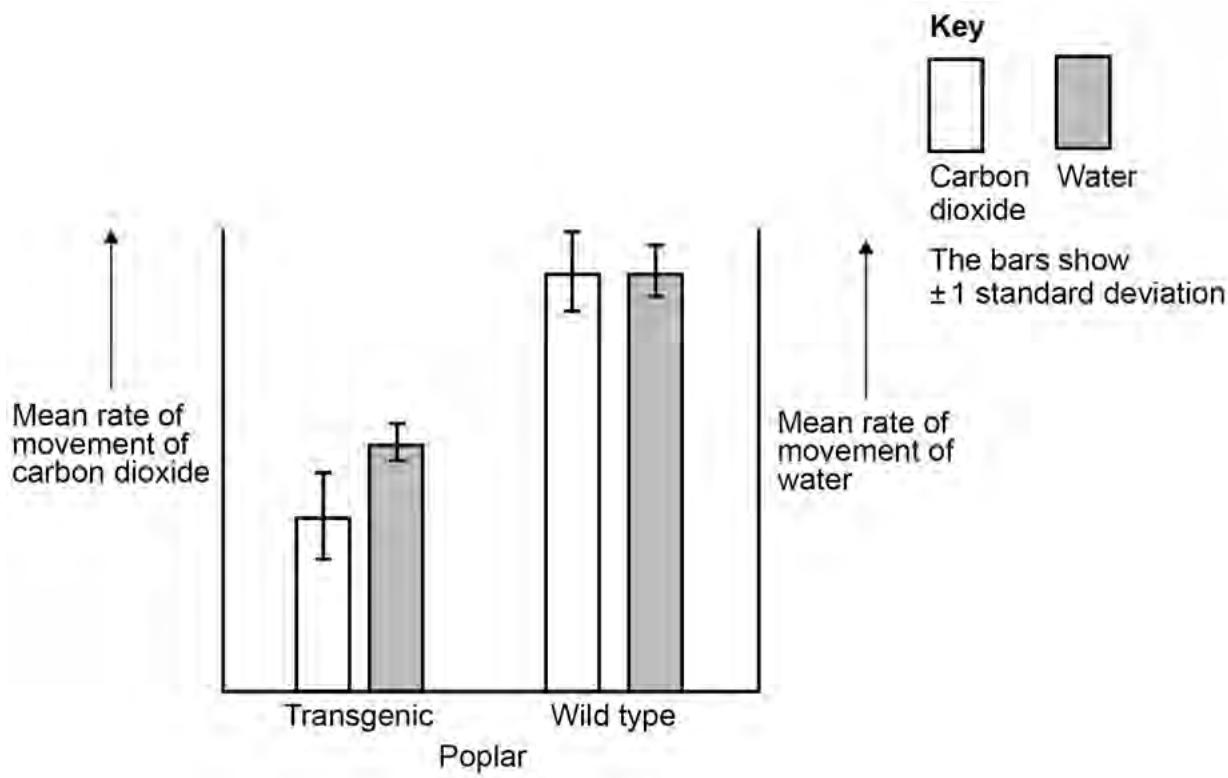
Using only Figure 7, evaluate the importance of PIP1 in the movement of carbon
dioxide and water through leaves of poplar trees.
carbon dioxide through the tissues of leaves of poplar trees.
They measured the mean rates of movement of carbon dioxide and water through
the tissues of leaves of transgenic poplars and through the tissues of leaves of wild
type poplars.
Their results are shown in Figure 7.
Figure 7
Using only Figure 7, evaluate the importance of PIP1 in the movement of carbon
dioxide and water through leaves of poplar trees.
Question
25 marksThe importance of nitrogen-containing substances in biological systems.
Question
25 marksThe importance of diffusion in organisms.
Question 1
Question 2
Question 3
Farmers use artificial fertilisers to maintain or increase yield from grain-producing
crop plants such as wheat.
crop plants such as wheat.
Question 4
Ecologists investigated changes in grassland communities on large islands off the
coast of Scotland between 1975 and 2010. On each island, they used data from a
number of sites to determine the change in mean species richness and the change
in mean index of diversity.
coast of Scotland between 1975 and 2010. On each island, they used data from a
number of sites to determine the change in mean species richness and the change
in mean index of diversity.
Question 5
Question 6
Question 7
Write an essay on one of the topics below.
EITHER
OR
EITHER
OR